Think back to the last time a customer sent you a message to ask for your prices. You were probably in the middle of something else. Maybe you were driving, cooking, or talking to a supplier. You promised yourself you would reply as soon as you settled down.
By the time you checked your phone two hours later, that customer had already bought from someone else.
This happens to thousands of African business owners every single day. We call it a busy day, but in reality, it is a silent money drain.
When you start a business, your brain is your primary tool. You remember who owes you money, which customer prefers red packages, and who asked for a delivery update. This approach feels natural because it is how we have always done things. Your notebook is right there on your desk, filled with crossed-out lines and phone numbers.
But relying on your memory or a physical notebook creates a hard ceiling for your growth.
Your brain can only handle a few things at once. When you get five orders a day, you can manage them perfectly. When that number grows to twenty or fifty orders a day, the system breaks. You start making mistakes. You send the wrong size to a client in another city. You forget to follow up with a customer who promised to pay on Friday.
The biggest limitation is that a notebook cannot work unless you are physically looking at it. If a client calls you while you are away from your shop, you cannot confirm your stock levels or check their past orders. You have to tell them that you will call them back. In modern business, every time you tell a customer to wait, you give them a reason to look for an alternative.
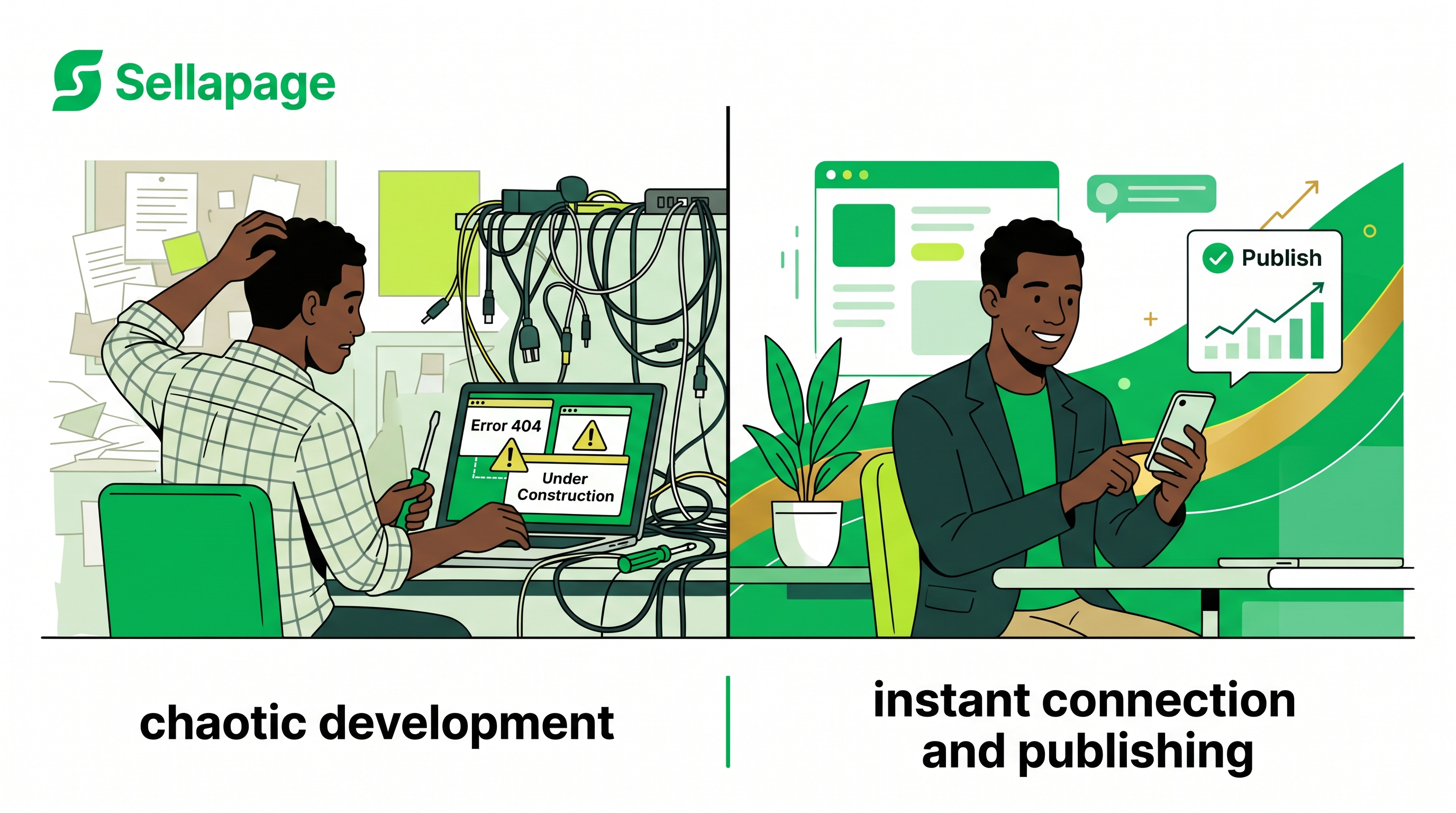
True business growth does not happen by working more hours or drinking more coffee to stay awake. It happens by moving the daily operational details out of your head and into a simple digital system.
When your business setup can run smoothly without you needing to remember every single detail, you suddenly find the time to think about big ideas. You can focus on finding cheaper suppliers, improving your packaging, or planning your next major launch.
Take a hard look at your daily routine today. Identify the tasks that cause you to tell customers to wait. Those exact tasks are the parts of your business that desperately need a simple, repeatable system. Stop carrying the entire weight of your operations in your head. Give your business the structure it needs to grow without breaking.